

Website update for Therapies
A range of additional interventions and therapies including active listening and learning groups, art and music therapy, dogs as therapy sessions, and mindfulness sessions are in place to support students to ensure they are emotionally ‘ready to learn’ and that individual barriers to learning are removed.
The academy works with a wide range of specialist professionals to enhance and complement the work of the staff team, who are specifically trained to deliver collaborative practice as part of an interdisciplinary educational team. Staff employ a wide range of specialist strategies to create a positive learning environment, promote outstanding behaviour and to deliver the curriculum e.g. Team Teach, Restorative Practices, Fresh Start, Maths for Life, and mindfulness techniques.
Art Therapy at The Iffley Academy
We currently have an art therapist who sees a targeted group of students using a psychological therapeutic approach to support students across our academy.
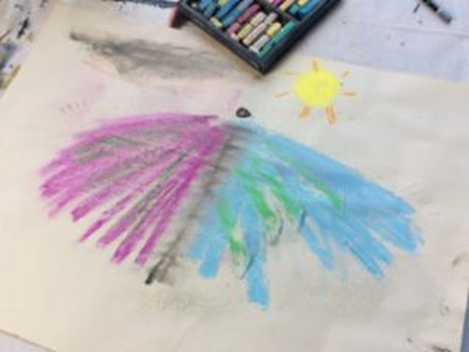
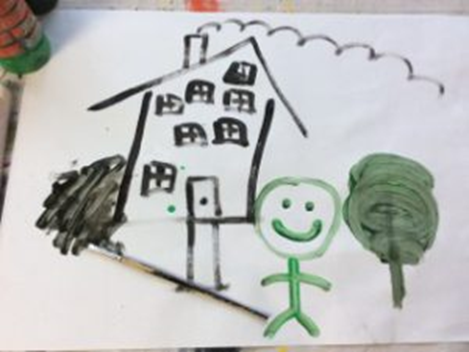
Art therapy is a versatile psychological therapy using a wide range of art materials to express and process thoughts, feelings and experiences; it is very different from art lessons and you don’t need to be good at art, though if they enjoy using art materials that can help.
Art therapy helps to address difficult thoughts and behaviours as the student uses art materials in a 1:1 session with the therapist; they meet once a week and gradually build up a collection of work that they can reflect on with the therapist, thinking about their experiences how others may have felt and how to make positive change. For some children this is a quick process, others take longer, and many benefit from ongoing support in this way.
Art therapy has been used in the UK since the mid 1940’s to help people understand conscious and unconscious feelings, thoughts and experiences. Current neurological research is revealing how art therapy can positively affect the workings of the brain and contribute to developing healthy emotional attachment. Art therapy can also support students to access their education programme and reduce disruption by providing an outlet for difficult feelings and a quiet space for reflection.
Music Therapy
We currently have a Music therapist who sees a number of students individually and in small groups using a psychological therapeutic approach to support students across the academy. In addition, the therapist also provides the opportunity for all students to attend a weekly choir, further developing a sense of belonging and community, and enabling students to collaborate creatively in a larger group.
Music Therapy is an established clinical practice that uses music to promote communication, emotional expression, and personal development. Led by the Music Therapist, sessions may include listening, singing, exploration of instruments, drumming, instrument playing, song writing, and musical improvisation, all tailored to meet the individual needs of each pupil. Participation does not require any previous musical ability.
Engagement in Music Therapy can support a range of developmental areas, including communication, social interaction, emotional regulation, and motor coordination. The therapeutic use of music provides pupils with an alternative means of expression, helping to enhance confidence, self-awareness, and wellbeing in a supportive and structured environment.
At the academy, Music Therapy forms part of a holistic approach to support and education. The Music Therapist works collaboratively with the team around the student to ensure that therapeutic goals align with their broader learning and developmental targets. Sessions are designed to foster meaningful engagement, encourage progress, and celebrate each pupil’s unique abilities and achievements.
Dance Therapy
We currently have a Dance therapist who sees a small number of students individually using a psychological approach to support students across the academy.
Dance Therapy is a recognised therapeutic approach that uses movement and dance to support emotional, social, cognitive, and physical development. Led by the Dance Psychotherapist, sessions encourage students to explore movement as a way of expressing thoughts and feelings that may be difficult to communicate in words.
Through movement, students can develop greater body awareness, coordination, and self-confidence. Dance Therapy can help to improve emotional regulation, communication, and social interaction, while also promoting relaxation and wellbeing. The creative and non-verbal nature of the sessions allows pupils to engage at their own pace and ability level, ensuring the experience is accessible and meaningful for everyone.
At the academy, Dance Therapy is integrated into the wider curriculum as part of our holistic approach of support and education. The Dance Psychotherapist works closely with the team around the student to ensure that therapeutic aims support each student’s developmental goals and plan. Sessions provide a safe and supportive environment where movement becomes a powerful tool for expression, connection, and personal growth.
Integrated Therapy Services
Oxford Health NHS Foundation Trust provides Integrated Therapy Services (Speech and Language Therapy, Occupational Therapy and Physiotherapy) for children and young people in Oxfordshire. We work closely with our health colleagues to ensure that students who need specialist therapy are able to access support and intervention when required, and seek advice and support through the referral process when concerns are identified. The specialist therapy interventions are focused on achieving the best outcome for the student.
How does the Integrated Service Work?
The service sees students with therapy needs specified in their Education, Health and Care Plans as well as though that are newly referred, following the identification of concerns. The service works in collaboration with educational staff within the classroom and school environment to transfer schools and to enable support to be directly linked to the educational environment. Intervention from the Integrated Service takes a variety of forms including: assessment, joint target setting, training, producing personalised therapy programmes, reviewing programs, making further referrals or discharging when appropriate. Students may be seen individually or in groups with home visits to support families with therapy at home.
Speech and Language Therapy
The Speech and Language Team supports children and young people with speech, communication and language needs to develop the best possible communication skills that they can. For some this might be spoken communication, for others it might involve learning to use a communication aid, or an approach based on sign, symbols or gestures. The team can also provide assessment, advice and support around eating, drinking and swallowing problems.
At the academy, the therapists provide class-based support for demonstrating and modelling strategies to create and facilitate communication opportunities in functional situations throughout the day. The therapists provide training and work closely with teaching staff in setting communication targets across the school year and ensure that programmes are effectively communicated with appropriate resources in place. The therapists also complete 1:1 sessions to assess and review progress as well as to work on specific skills, where appropriate.
Our Speech and Language Therapy team:
Beth Knowles – elisabeth.knowles@oxfordhealth.nhs.uk (Wednesday)
Beth Cooke – beth.cooke@oxfordhealth.nhs.uk (Monday)
Abigail Partridge – abigail.partridge@oxfordhealth.nhs.uk (Monday)
Physiotherapy
The Physiotherapy Team works with children and young people up to the age of 18, to develop gross motor skills. The team helps students move to the best of their ability, when they have been affected by injury, illness, developmental delay or other disability. The team work in the home, in medical settings and educational settings and aim to see the student in a familiar setting. A small number of students at the academy require individualised therapy programmes delivered within the school day and these are delivered by the school team following training by the Physiotherapy Team
We do not have a named Physiotherapist linked to the academy, further information about the services provided by this team can be found at the link below:
https://oxfordhealth.nhs.uk/cit/physiotherapy
Occupational Therapy
The Occupational Therapy Team helps students to participate in everyday life and become as independent as practicably possible at home and in school. The team provides assessments, advice, activity programmes and therapy for students with a range of physical and developmental conditions that affect their daily functioning and life. The team focuses on helping students and their families to discover how much they can do for themselves. At the academy, when Occupational Therapy is specified in a student’s Education, Health and Care plan, the team provides support for demonstrating and modelling therapy techniques and strategies to staff and produce therapy programmes, where appropriate. When required, the Occupational Therapist will be involved in seating, toileting, feeding, drinking and the provision of specialist equipment which supports and enables greater independence
We do not have a named Occupational Therapist linked to the academy, further information about the services provided by this team can be found at the link below:
https://oxfordhealth.nhs.uk/cit/occupational-therapy
Sharing queries and concerns
If you have an questions or concerns regarding therapeutic support for your child, you can contact the school in a number of ways:
- Call the school on 01865 747606
- Email your child’s teacher
- Write a note in the home school communication book (Tate Gallery)
- Arrange an appointment to talk to a member of staff
- Ask to talk to Jo Jones, Champion for Personalised Learning and Inclusion
We will listen and help to signpost you to the most appropriate support and service